









Scotland’s aesthetics laws are finally changing — but experts say the new Bill still leaves patients at risk

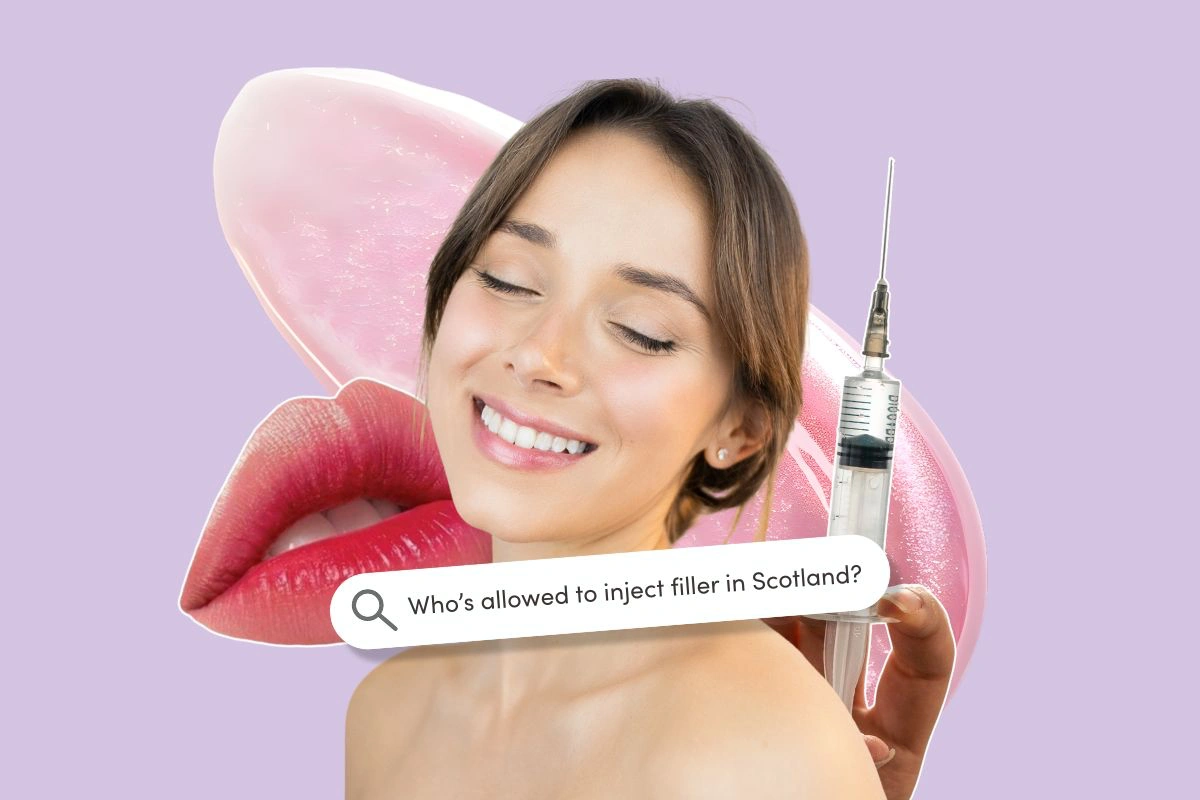
Could Scotland’s “Wild West” aesthetics scene finally be getting the regulation it’s needed for years? Well… not quite.
Yesterday at Holyrood, MSPs examined the updated Non-Surgical Procedures Bill — the legislation that’s supposed to bring proper oversight to treatments like injectables, microneedling, chemical peels and advanced skin tech. It marks a long-awaited moment for a sector that’s exploded in popularity, but two of the UK’s most authoritative voices say the current version still leaves too many gaps to fully protect the public.
Here’s what’s actually changing — and what it means for anyone getting aesthetic treatments in Scotland.
Why regulation is overdue
Right now, Scotland’s aesthetics sector operates with minimal formal oversight. There’s no universal qualification standard, no consistent licensing system and no clear route to accountability if something goes wrong. Treatments with very different levels of risk — from Botox and filler to energy-based devices and peels — can be performed by practitioners with very different levels of training. Experts have been warning for years that this patchwork approach leaves both clients and responsible practitioners exposed.
The new Bill is meant to address that. But the version now moving through Parliament is not exactly what the Scottish Government originally proposed.
How the Bill has shifted since the consultation
When the Government consulted on aesthetics regulation in 2024, it proposed a clear three-tier risk model separating low-, medium- and high-risk procedures. Each tier would have come with its own expectations around qualifications and oversight, offering a structured system where clients and practitioners could easily understand what required medical involvement and which treatments needed tighter controls.
The Bill introduced to Parliament in late 2025 moves away from that structure. It removes the “Group 1 / Group 2 / Group 3” model entirely and instead focuses on a single list of “regulated procedures,” defined mainly by whether the skin is pierced or penetrated. This means the legislation now concentrates primarily on higher-risk procedures such as injectables and deeper skin interventions.
Lower-risk treatments — including radiofrequency, superficial fruit-acid peels, IPL, LED, non-intimate ultrasound and cryolipolysis — no longer appear directly in the Bill. The Government now intends to regulate these separately through a future local-authority licensing scheme under the Civic Government (Scotland) Act 1982. For clients, that means the rules will no longer sit neatly in one place. For businesses, it creates a more fragmented regulatory landscape that may be harder to navigate.
There is also a notable shift in emphasis from who performs procedures to where they can be carried out. Higher-risk treatments will need to take place in clinics registered with Healthcare Improvement Scotland, but the detailed standards — qualifications, supervision, competency requirements and practitioner responsibilities — are not written into the Bill itself. These will be set later by Ministers through secondary regulations. In effect, this makes the legislation more of a framework than a complete regulatory system at this stage.
What industry leaders told MSPs
At Holyrood, Lesley Blair MBE, CEO and Chair of BABTAC, and Victoria Brownlie, Chief Policy & Sustainability Officer at the British Beauty Council, welcomed the Bill as progress but stressed that significant detail is still missing.
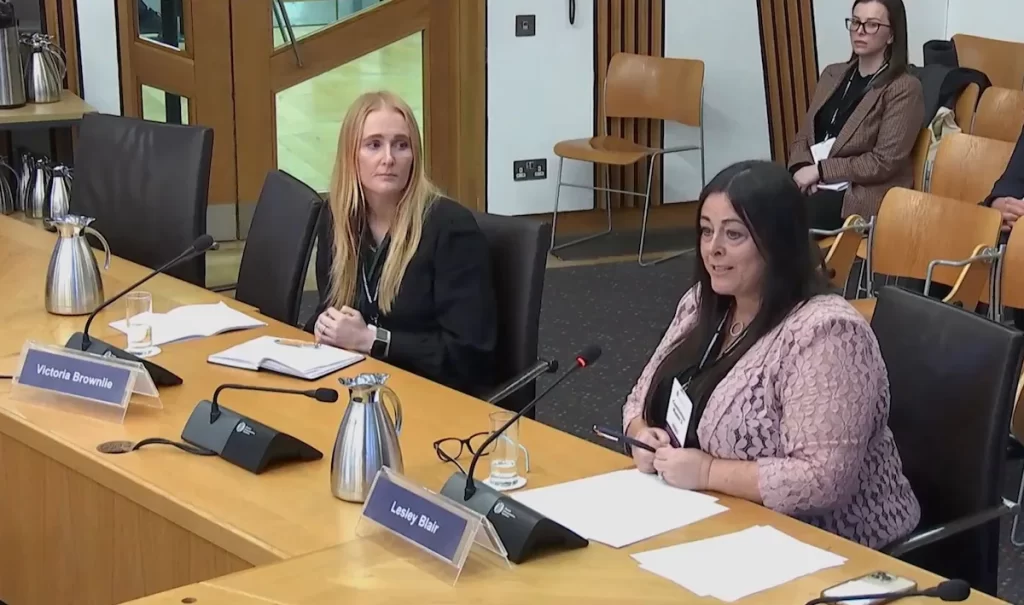
Lesley Blair described the Bill as an important start but said the industry has evolved far faster than regulation. She argued that the sector “has drifted off course” and needs a framework that reflects the real differences in risk between procedures. She also highlighted that Scotland has many highly trained non-healthcare practitioners who work safely and professionally, yet without regulation there is no formal recourse when things go wrong — something responsible practitioners have been calling for.
Victoria Brownlie emphasised that injectables in particular carry medical risks that cannot be managed without proper clinical training and timely access to prescription medication. She warned that injectables have become so accessible that they’re often seen as casual beauty add-ons, despite being treatments that require medical competence. She also raised concerns about Scotland’s broader definition of who can oversee procedures, noting that in the rest of the UK, supervision is limited to clinicians regulated by bodies such as the NMC, GMC, GDC or GPC.
What happens next
The Bill will continue through Parliament, and the real detail — qualifications, supervision standards, licensing requirements for lower-risk procedures and how practitioners will be assessed — will be set through future regulations. Experts broadly agree that Scotland is moving in the right direction, but much of the safety, clarity and consistency the sector needs will depend on what happens next.
For more guidance on safe practice, qualified practitioners and treatment standards, visit the British Association of Beauty Therapy & Cosmetology (BABTAC) at babtac.com.