







“Could candles be made better?” — meet the Scottish founder creating cleaner, calmer blends

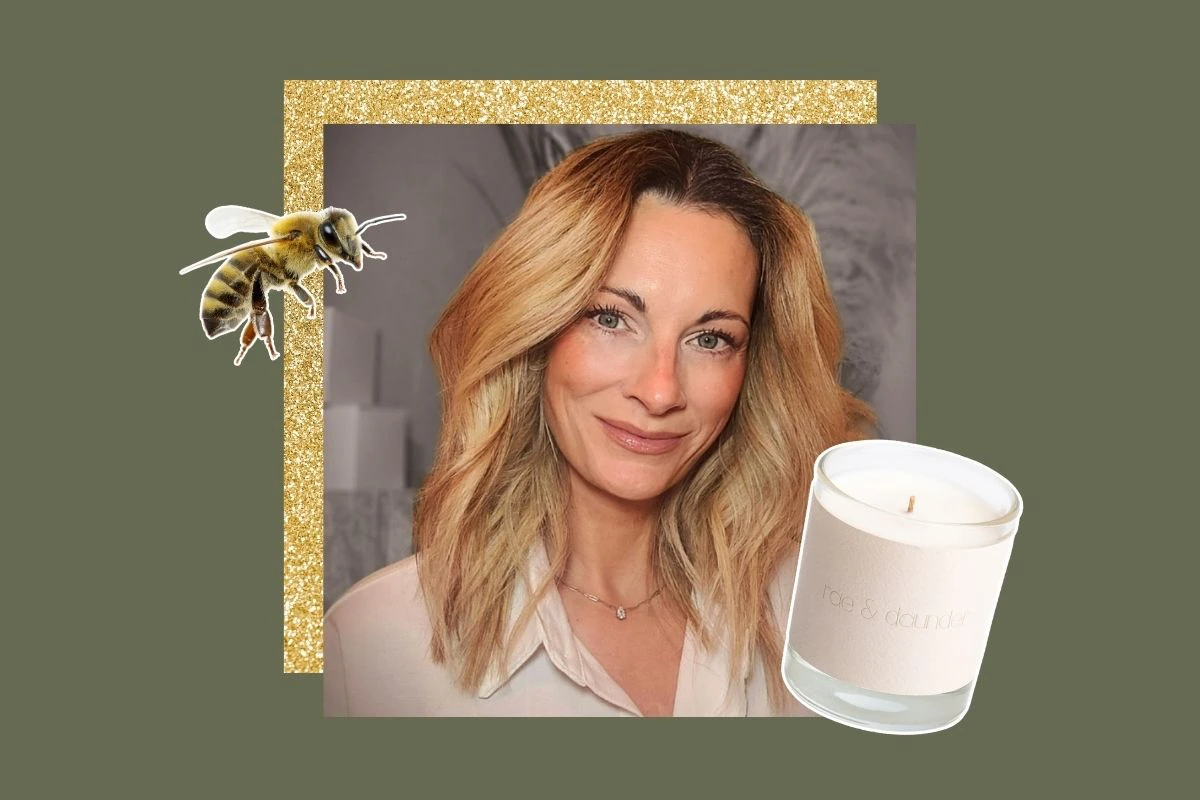
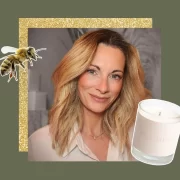
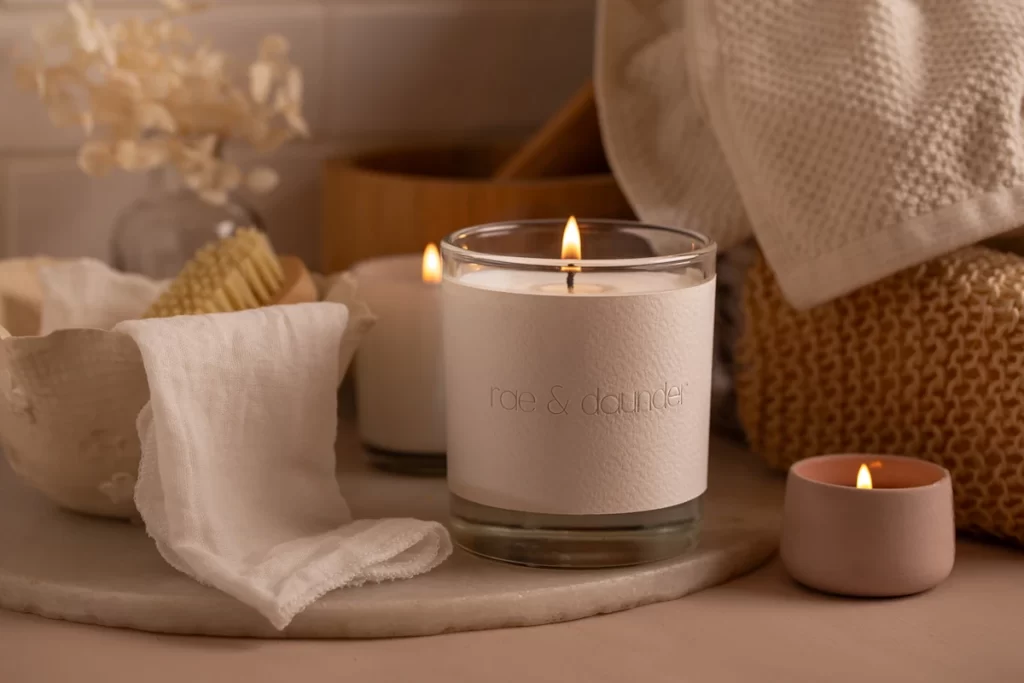
Three years ago, Karen Young founded rae & daunder – a candle brand born in Scotland, focusing on quality ingredients and self-care.
After living with endometriosis since the age of nineteen and discovering just how important self-care can be when managing a chronic illness, Karen found herself asking the question: what if our favourite candles were designed without potentially harmful or aggravating ingredients? And that’s exactly what inspired her to take the leap and start her own business.
Rae – meaning light and hope – and daunder – a Scottish term for going for a stroll or a walk – was born out of this desire to prioritise ingredients and the best formulation. Here, Karen tells us about her personal journey, both in terms of creating the brand and managing her own chronic illness, as well as how she found a gap in the existing market.
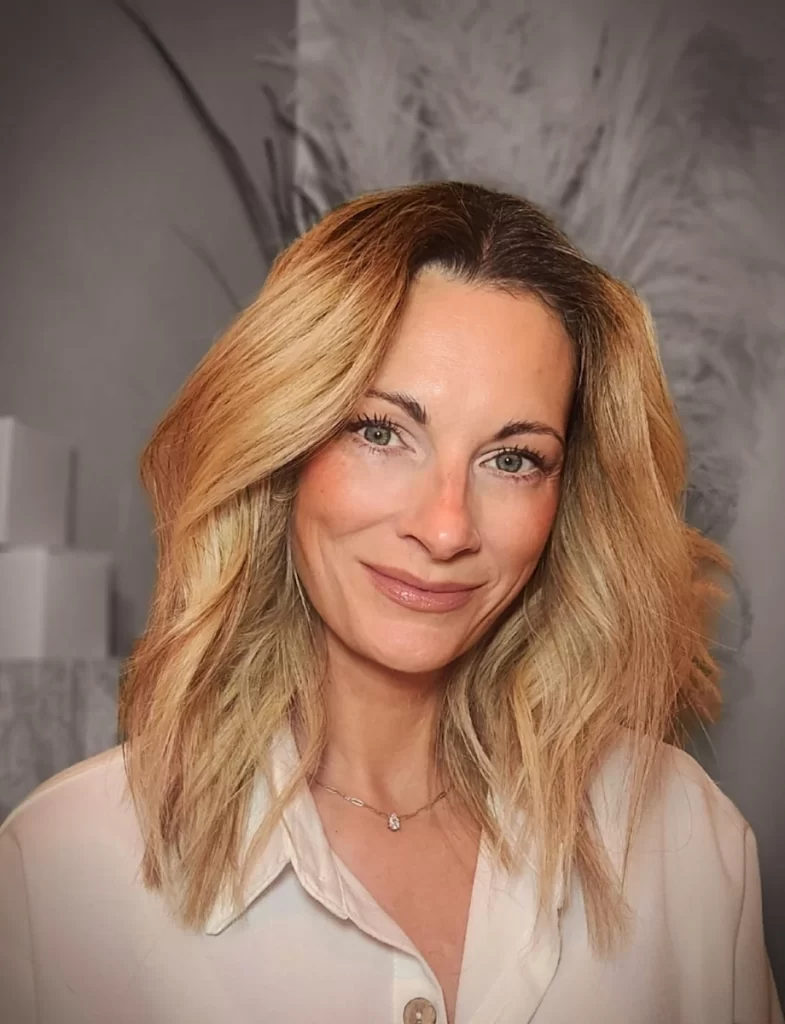
When did you first get the idea and what made you start rae & daunder?
I’ve always loved candles, but wherever I bought them – even from high-end brands – they never seemed to burn as well as I had hoped. My main issue was the amount of visible soot they’d release. This prompted me to research candles and their ingredients further, and I started to learn about some of the ingredients that go into a lot of common brands.
Many contain ingredients that aren’t very friendly or sustainable. For example, a lot of candles contain paraffin wax, synthetic fragrances with phthalates in them, and artificial dyes. Living with a chronic illness, I am especially mindful of the products I use in my home and on my body, and as my awareness of the ingredients increased, so too did my curiosity. I started to wonder: could candles be made better? Could they be made with more sustainable materials, while also made with ingredients that are researched for their potential benefits for chronic-illness self-care and inflammation? That’s where the idea for rae & daunder came from.
And how has the journey been, from first coming up with the idea to bringing it to fruition?
I love the outdoors and feel like bringing rae & daunder to fruition can be likened to climbing a Munro. I’ve approached it with plenty of enthusiasm, but there have been many stumbles along the way and a few tears. When I successfully produced my first prototype, that felt like reaching the summit. Finally, I had a product I could believe in.
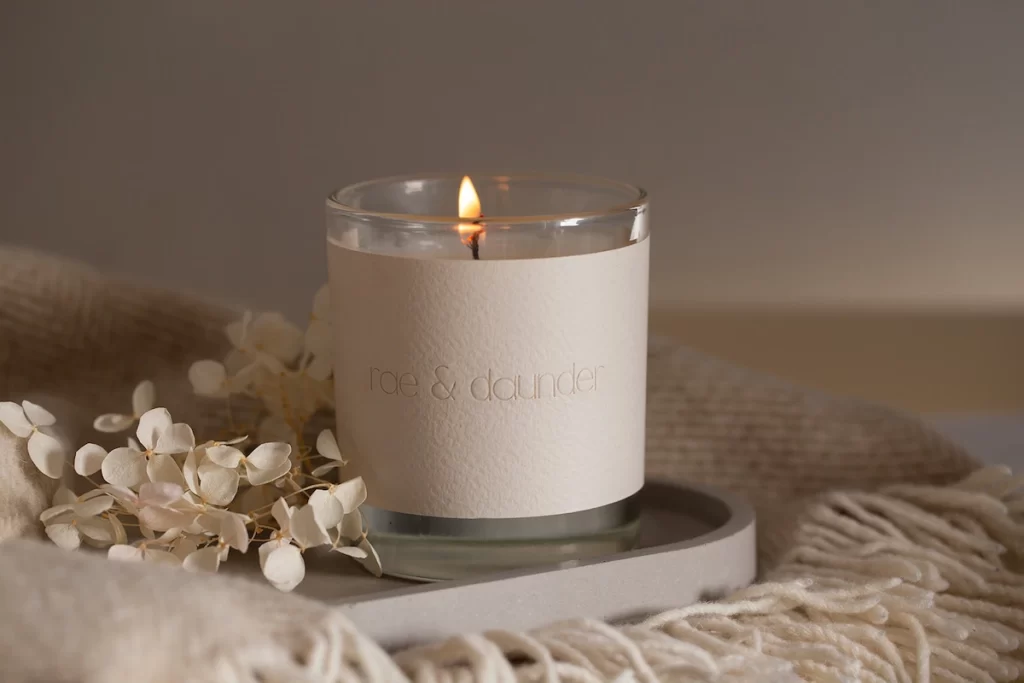
What has been the most challenging moment or moments?
As I researched, I learned about an anti-inflammatory property of several essential oils called ‘beta-caryophyllene’. The highest concentration of it is in an essential oil called copaiba, which comes from the bark of a South American tree. I spent months experimenting with that one oil because its properties could be brilliant for people who are looking for natural remedies for inflammation. But when testing it in the candles, it just was not doing what I needed it to do.
I’ve also had to press suppliers to evidence exactly what is in their products, which has come with challenges. Some terms can be misleading. For example, a “wick coated in a natural wax” can be the product name – but when I sought verification, the supplier explained that it was coated in paraffin wax, which rae & daunder does not use.
And what have you enjoyed most?
As cliché as it might sound, I’ve really enjoyed the process and journey. When I finally saw the end product, I felt fabulous. I have discovered things about myself that I didn’t know and navigated some old fears too.
Meeting other women in business has been a blessing; the support and belief from other women has been beautiful. I wanted rae & daunder to be produced using UK suppliers exclusively, and I’m proud I managed that. It took a while for me to source a beeswax-coated hemp wick from the UK, but we got there!
How has your own chronic illness shaped rae & daunder?
I was diagnosed with endometriosis at the age of nineteen in the 1990s, so there was not much research on it back then. I lost friendships and there was a lot of misunderstanding in my family, not because they didn’t care, but because there was so little information on it. It wasn’t spoken about. I had to find ways to bring light and a bit of hope to my situation.
Horses became my lifeline. Spending time on horseback got me through. Being outdoors always felt therapeutic to me, and eventually I found the hills with not just hooves, but my own feet. Even during painful episodes, I would drag myself out to be with nature, feeling its benefits. I’d then return from the outdoors to cosy up for the night with a hot chocolate, blanket and a candle.
While you live with endometriosis, what are the health benefits – both in terms of physical and mental health? Or what other chronic illnesses might benefit from your products?
For many chronic-illness sufferers – including those with POTS, arthritis, fibromyalgia, ME, lupus and MS – the winter months can be harder, and candles really come into their own. They set the tone for cosy, restful days and encourage us to take a break. And I believe that we do not have real health if we do not have mental health, and chronic illness doesn’t just wreak havoc on our bodies. It affects our minds too. Self-care, understanding and support are crucial.
While rae & daunder candles aren’t a remedy for chronic illness, they are a self-care companion in these darker months. And the key to their formulation was to make them without potentially harmful ingredients, so that people who might want to light a candle as part of their self-care can be confident that they won’t release high amounts of soot, aren’t made with fragrances containing toxins, and have certain ingredients – like beeswax – with naturally purifying qualities.
How do you select the specific oils?
To select my oils, I trialled several from a few UK-based essential-oil suppliers. After a few months, there was a clear winner, and I chose an essential-oil supplier that does not test on animals and that produces fine fragrance oils that are also free from parabens and phthalates.
From time spent perfecting the product, I’ve also learned which oils work well with the coconut-wax and beeswax mix I use, and which ones don’t. I’ve built an understanding of what oils work well for smaller rooms – namely candles that use essential oils only – and what fragrance oils work for larger spaces.
How do you go about choosing the scent pairings?
I combine oils that complement each other, but I also pair scents based on personal preference. Many of the fragrances invoke certain memories or thoughts for me, and they all connect to the outdoors in some way. For example, the cedarwood, cypress and mandarin candle reminds me of forest bathing.
I also decided to produce a candle that was free from any fragrance for people who like the look of a burning candle and want to enjoy all of the rae & daunder formulation but are too sensitive to scented oils.
Is there one candle or scent combination that you would recommend to everyone? Or how would you best tailor them?
I tried to create scents that were uplifting all year round, so it’s hard to choose just one.
For people who want to evoke the feeling of forest bathing, I’d recommend the cedarwood, cypress and mandarin candle. Ylang ylang, rose geranium and garden mint is my recommendation to create the feeling of an uplifting and fresh garden walk. Pear and elderflower is crisp, fresh and reminiscent of outdoor evenings with friends, while mango is another beautiful, versatile fragrance for both summer fun and winter cosiness.
And do you have a personal favourite candle?
The ylang ylang, rose geranium and garden mint candle was an unexpected discovery – and is now my favourite!
Finally, it would be great to find out about any new or upcoming releases that are in the works, that you can tell us about?
Absolutely. I’m still in the early stages of developing my next releases, but I can say that I hope to produce some colourful capsule collections, as well as adding reed diffusers to the product line.
Visit raeanddaunder.com.